Home / Categories / Generator Plastic Parts Mould and Moulding Services
Generator Plastic Parts Mould and Moulding Services
Generator Plastic Parts Mould and Moulding Services | Renovator Appliances Ltd
Product Overview
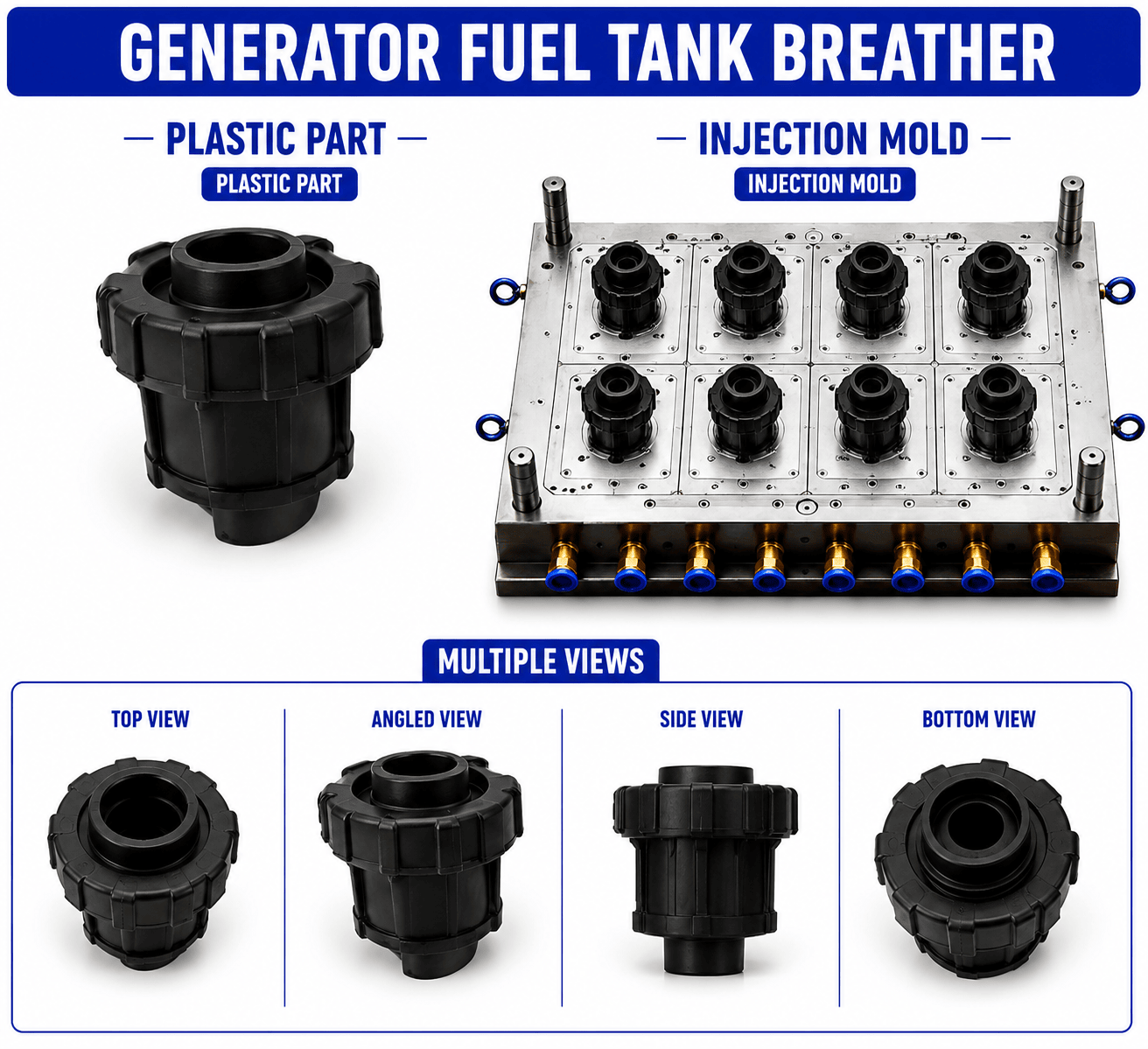
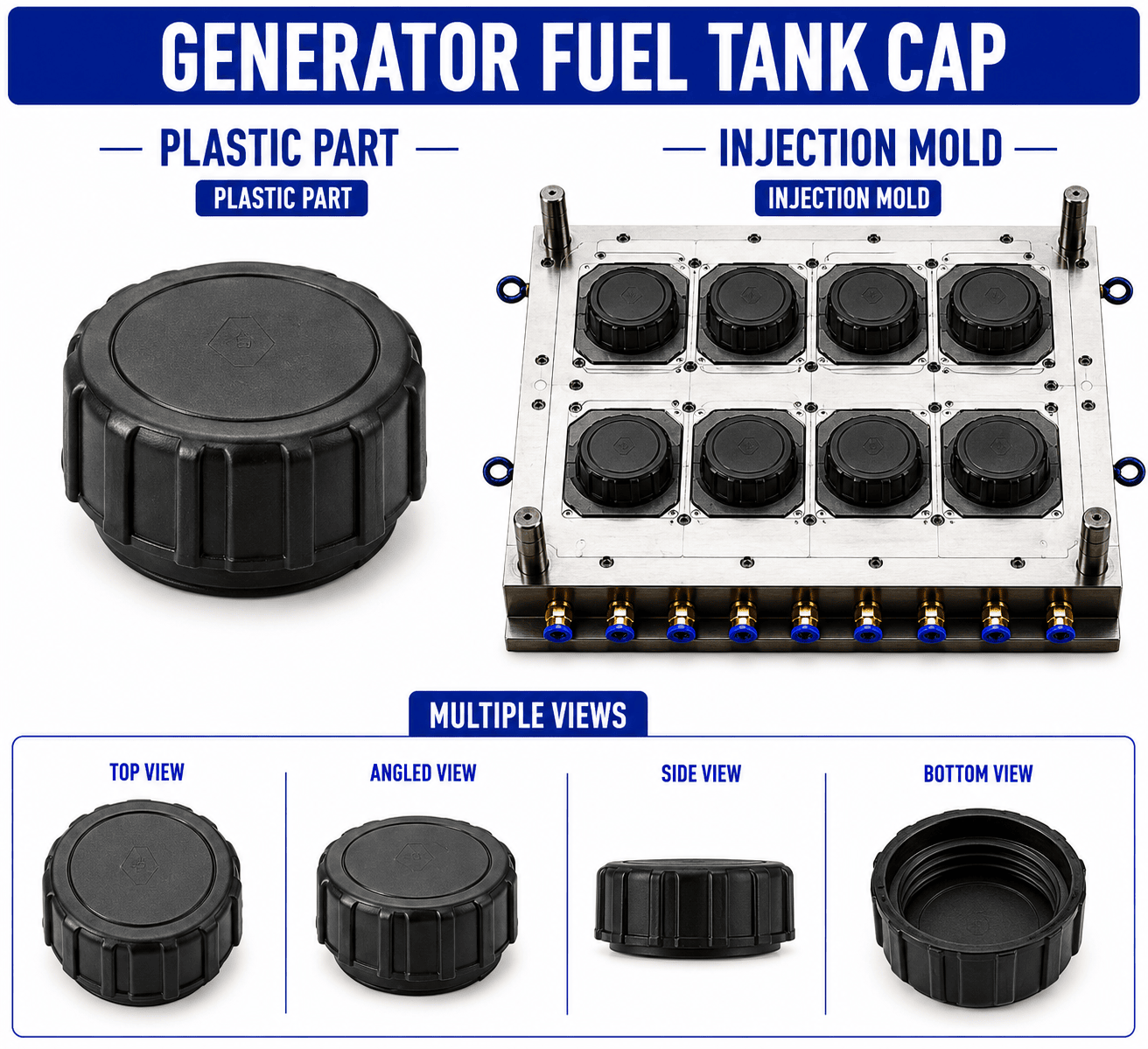
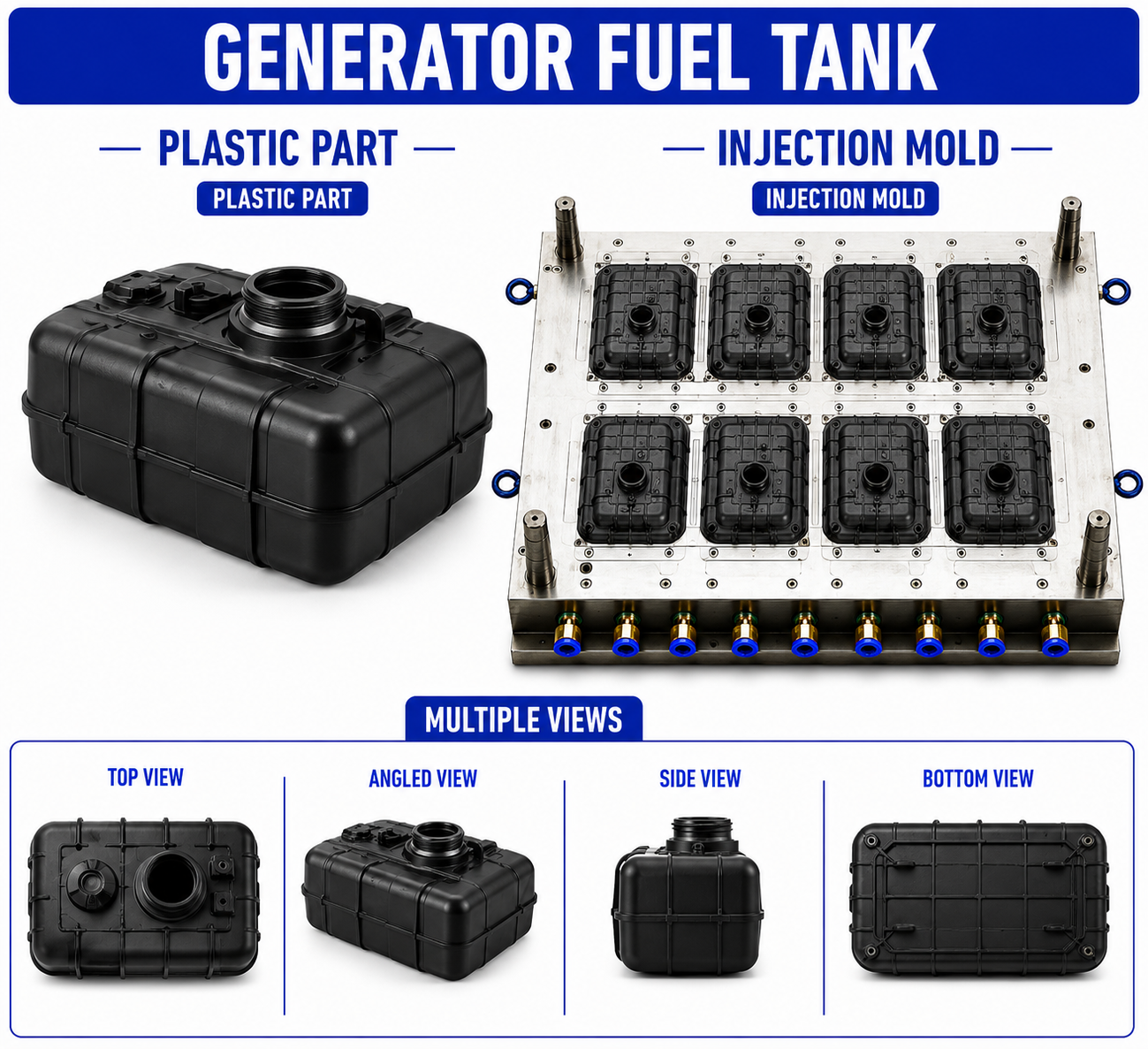
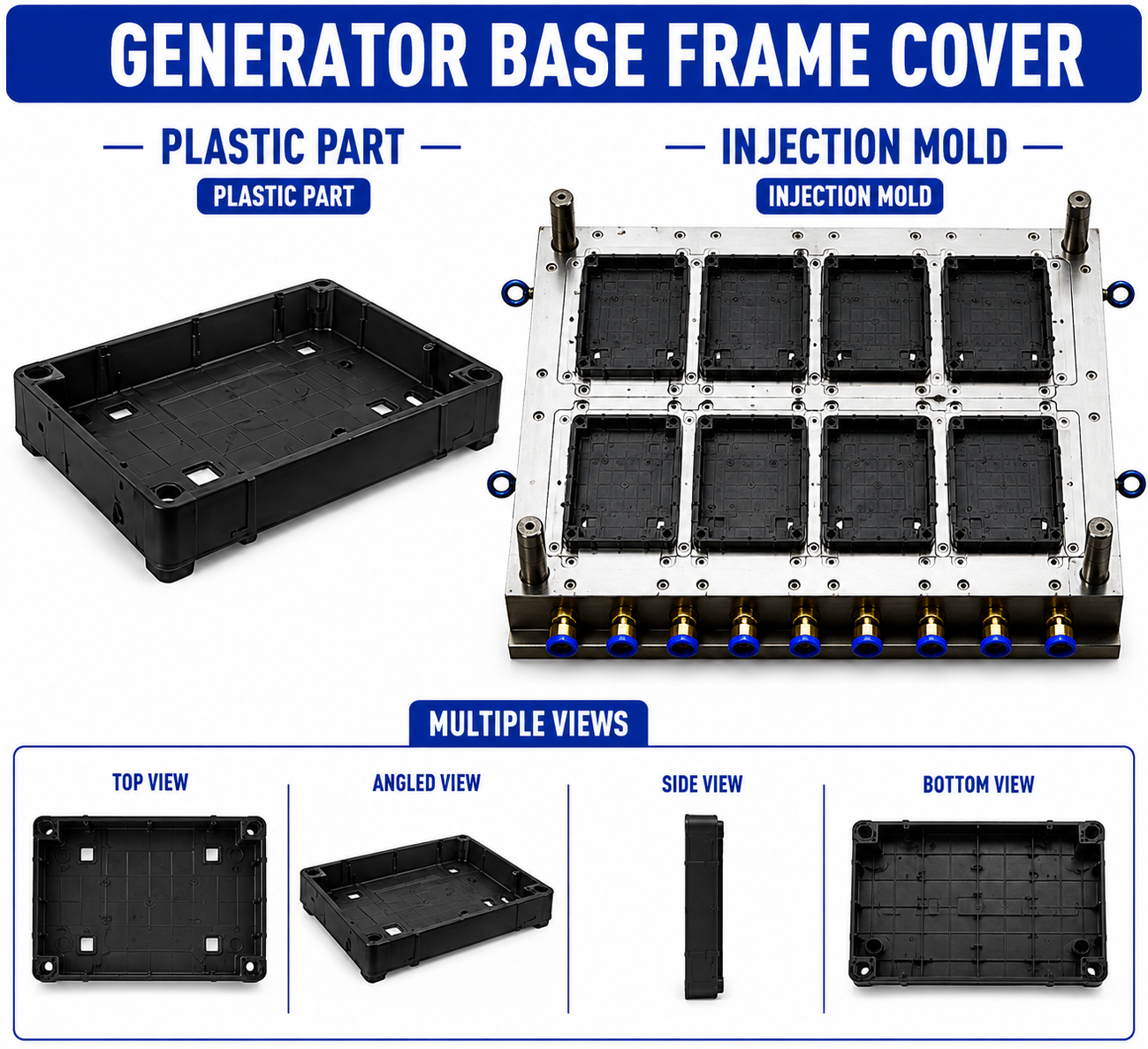
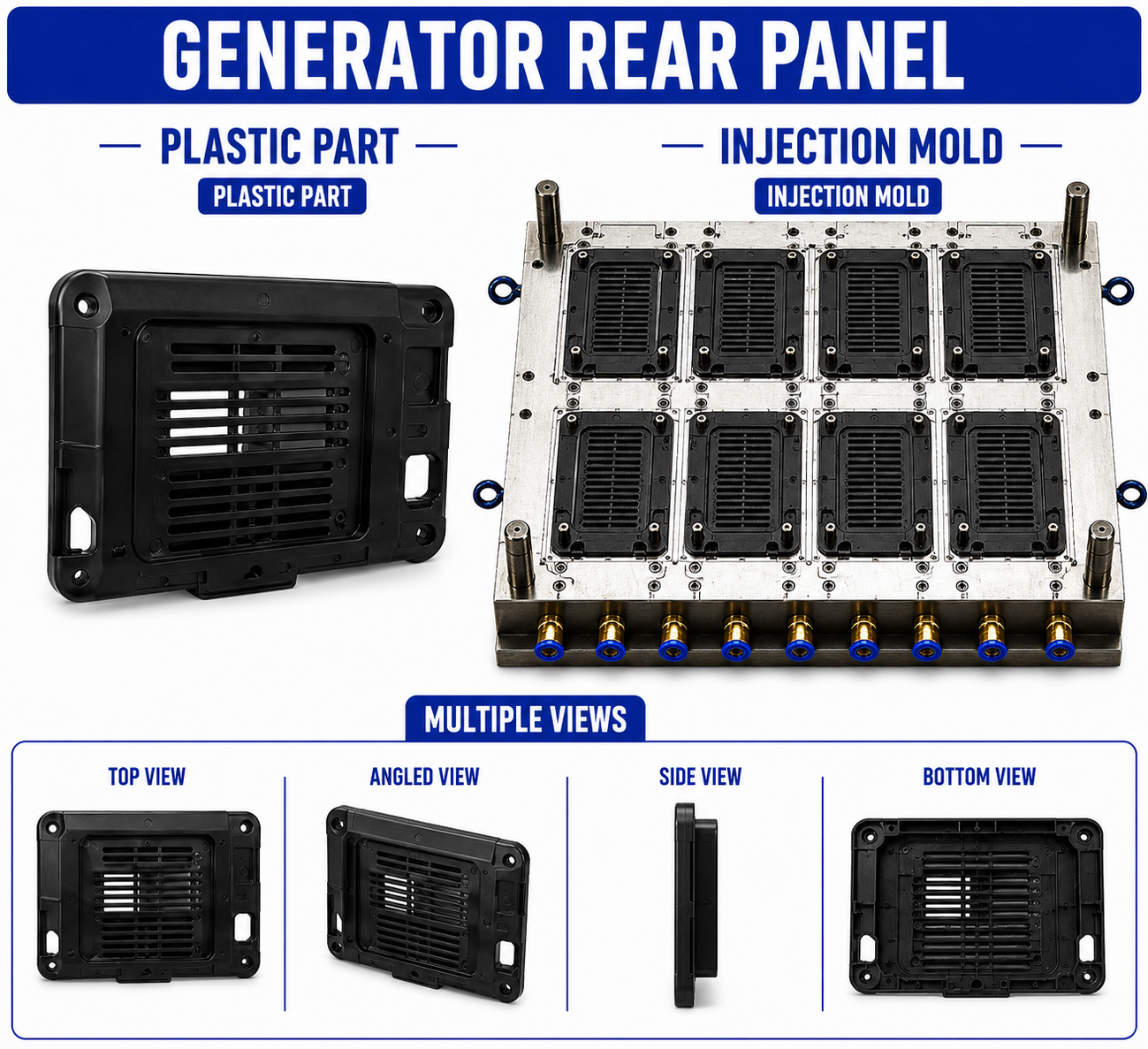
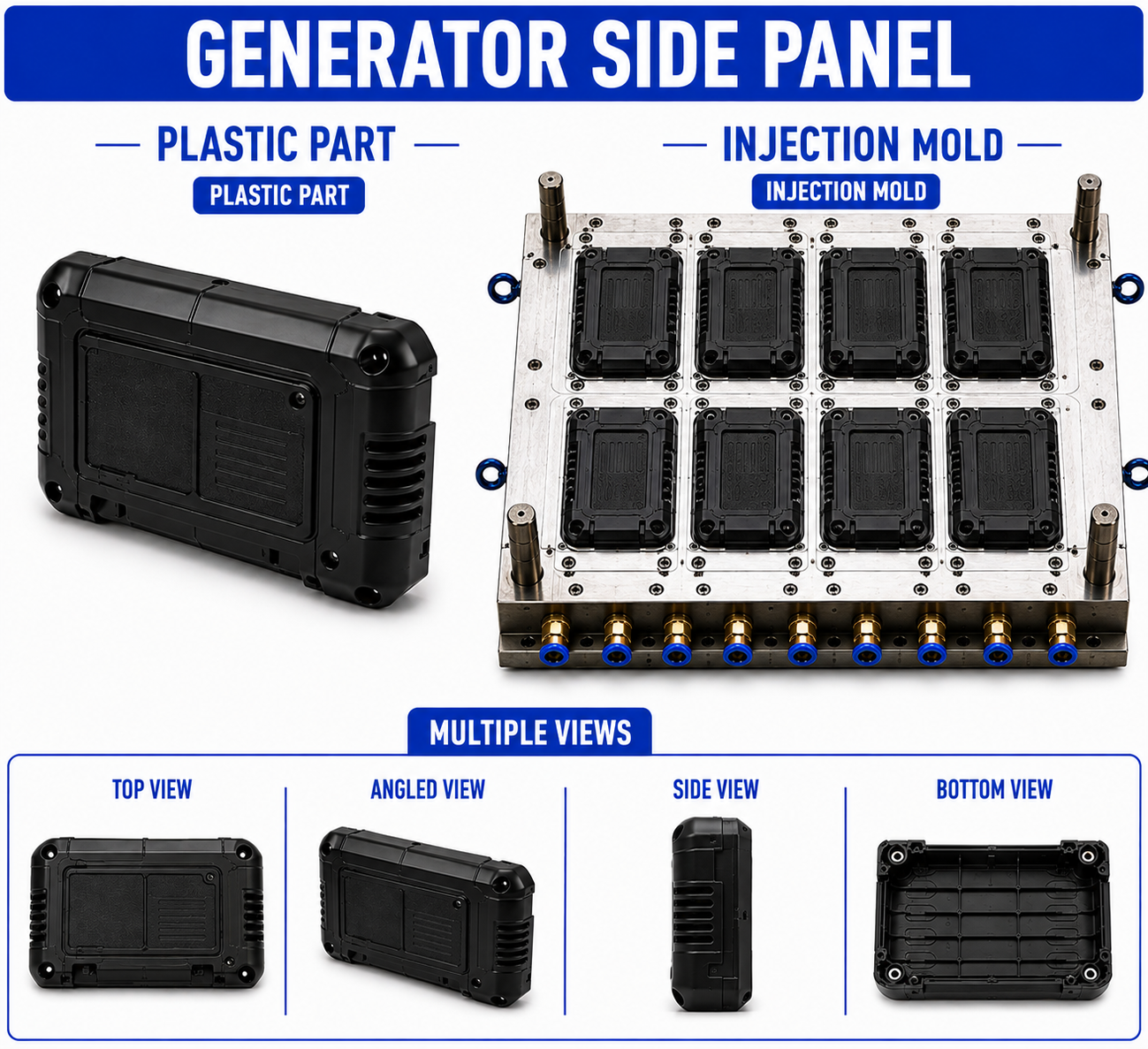
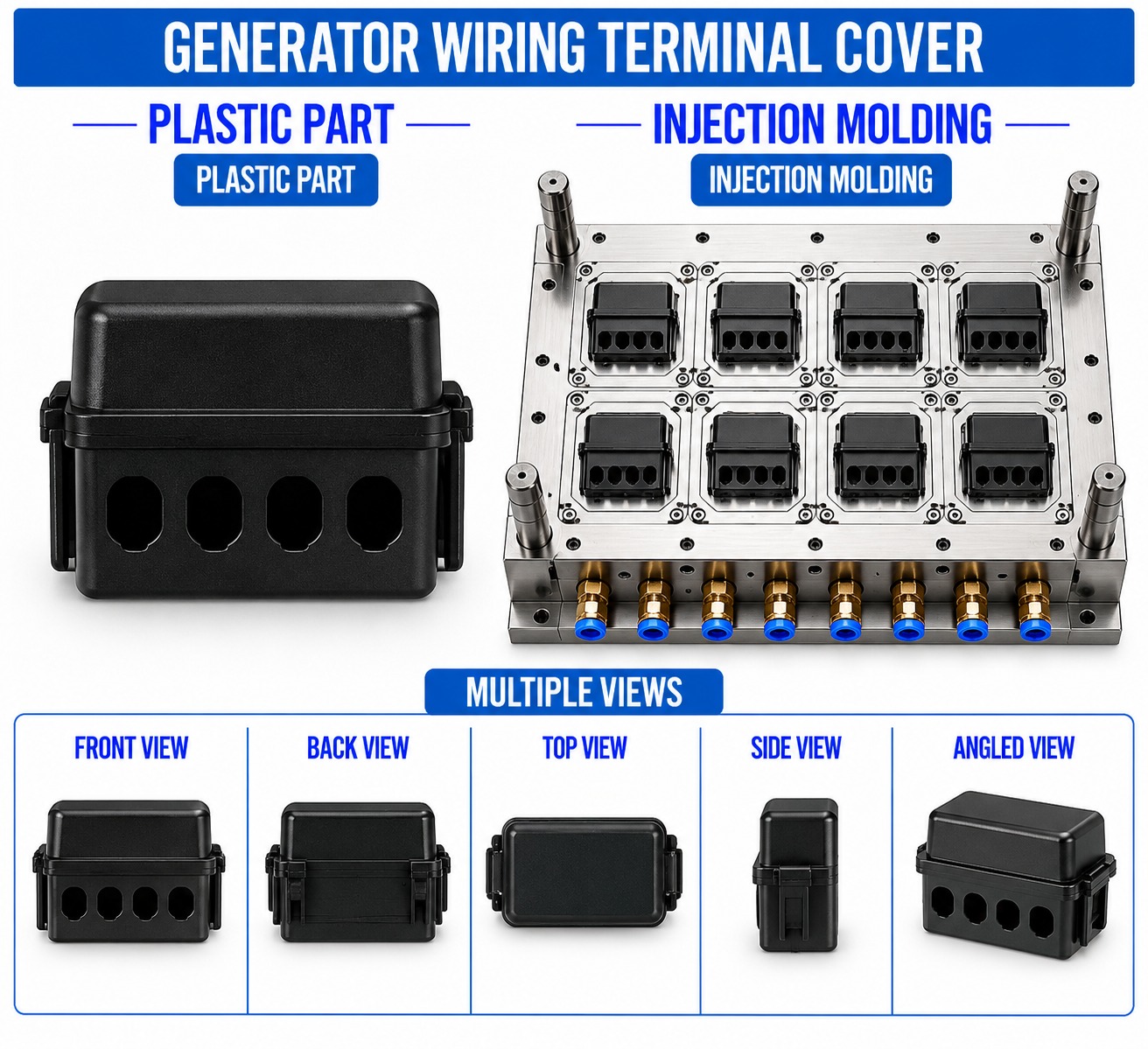
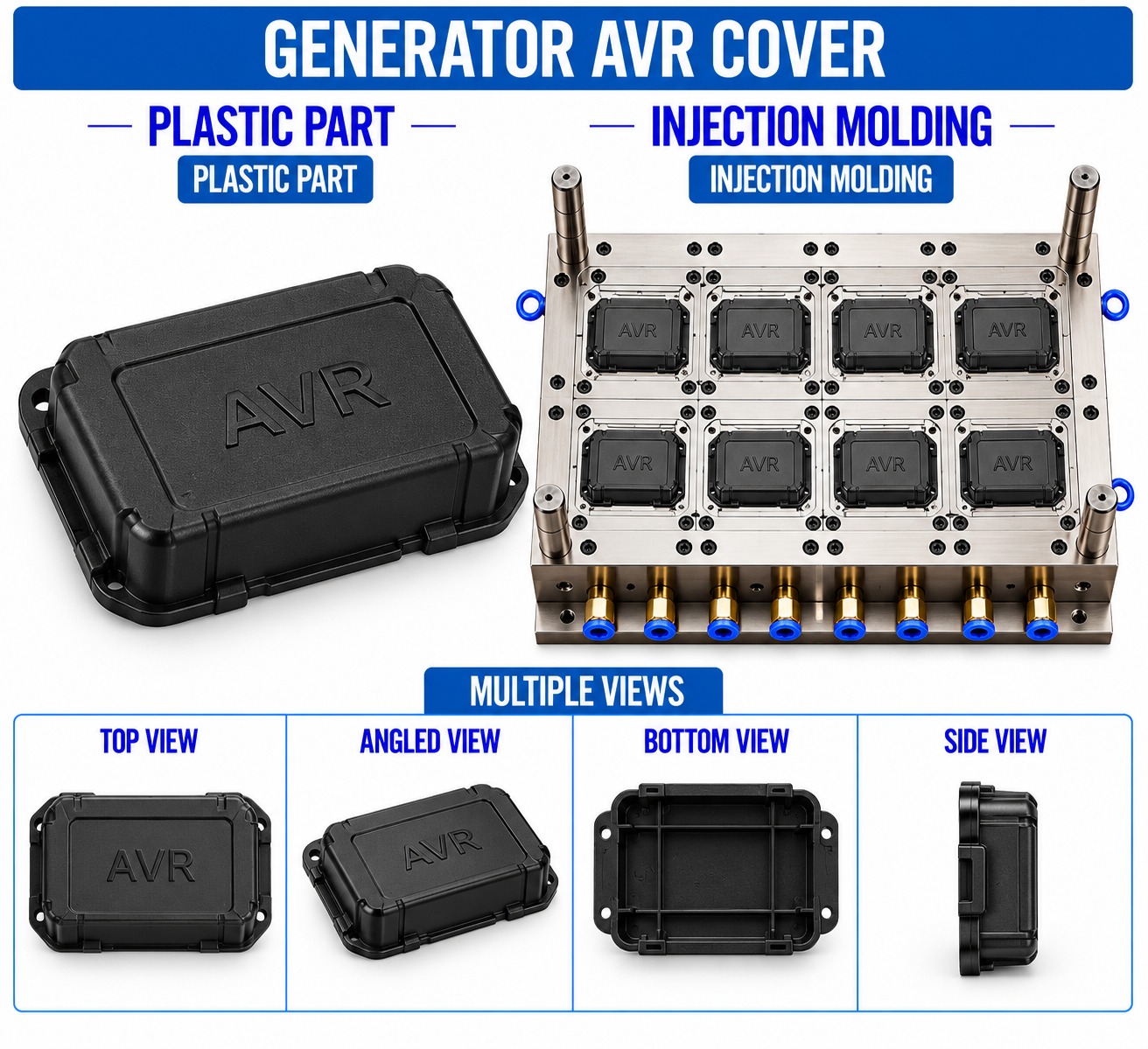
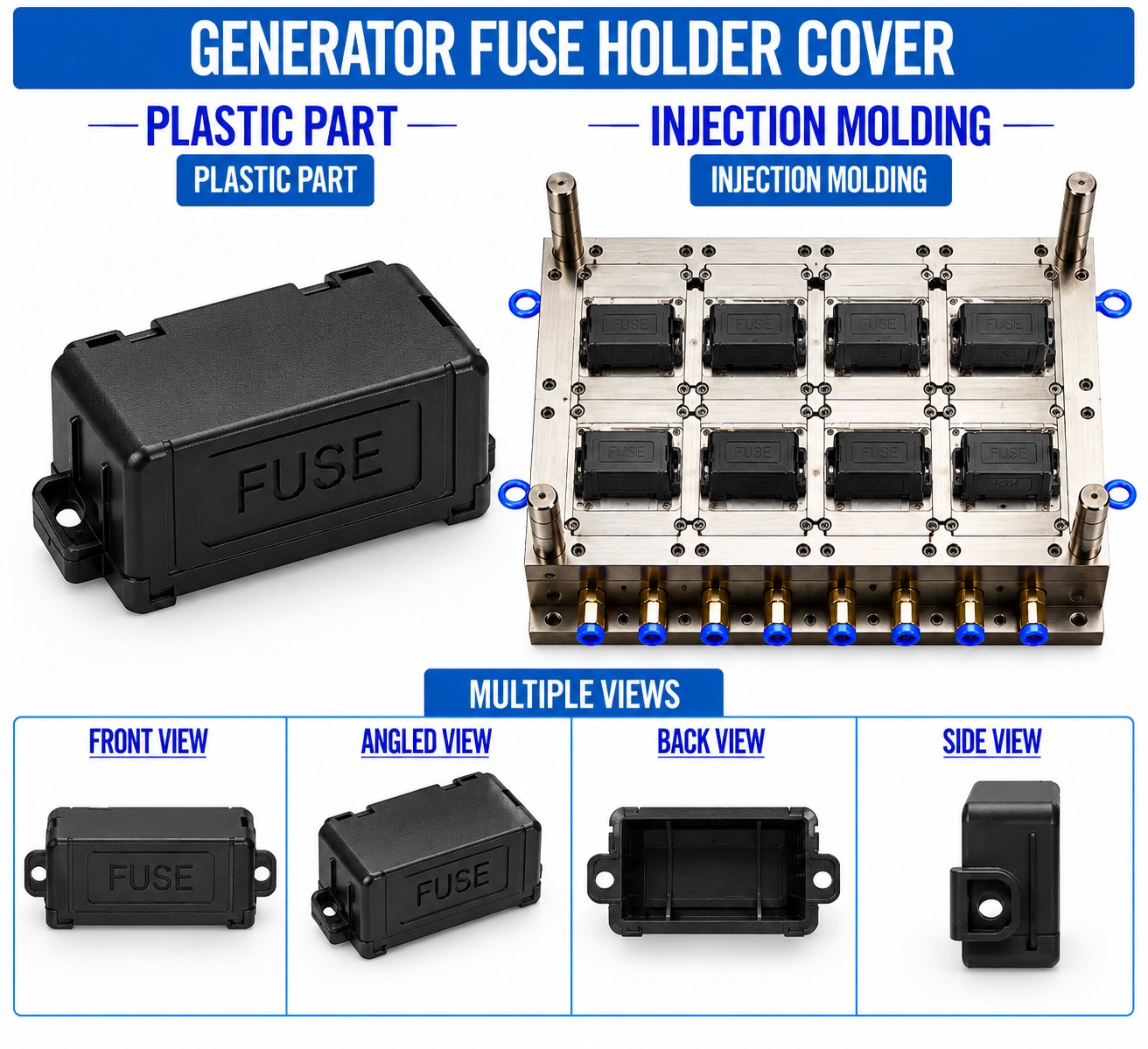
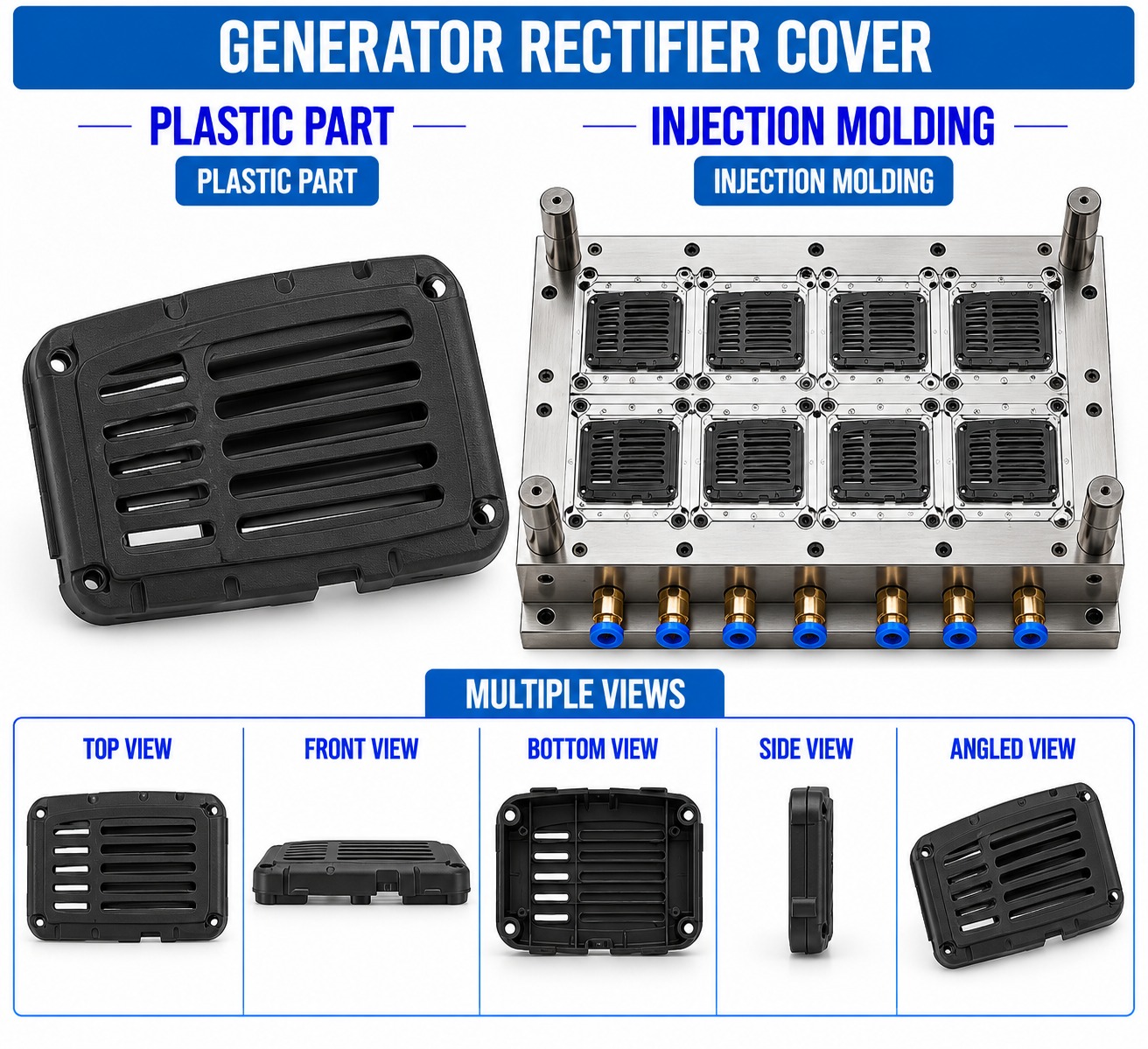
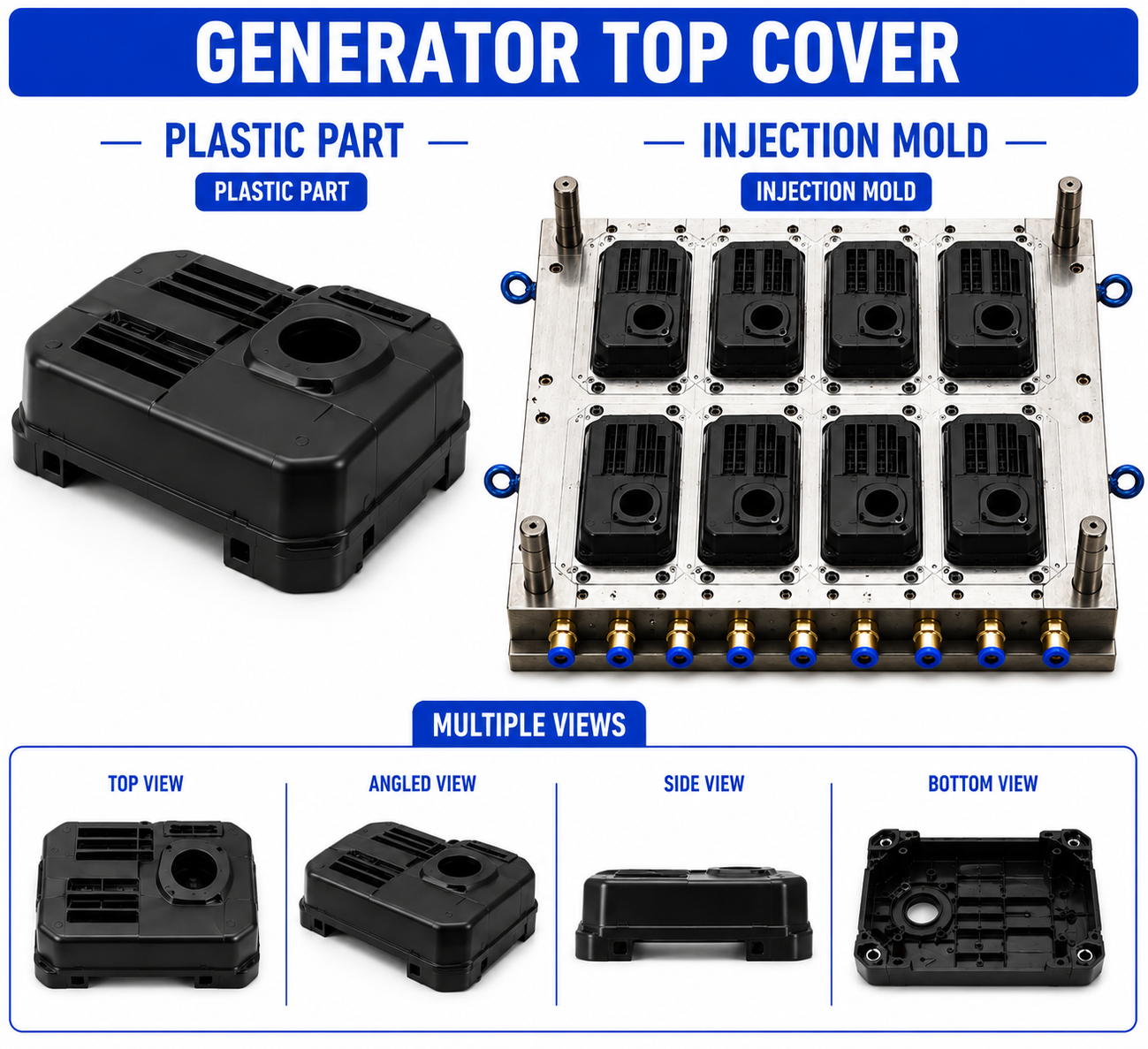
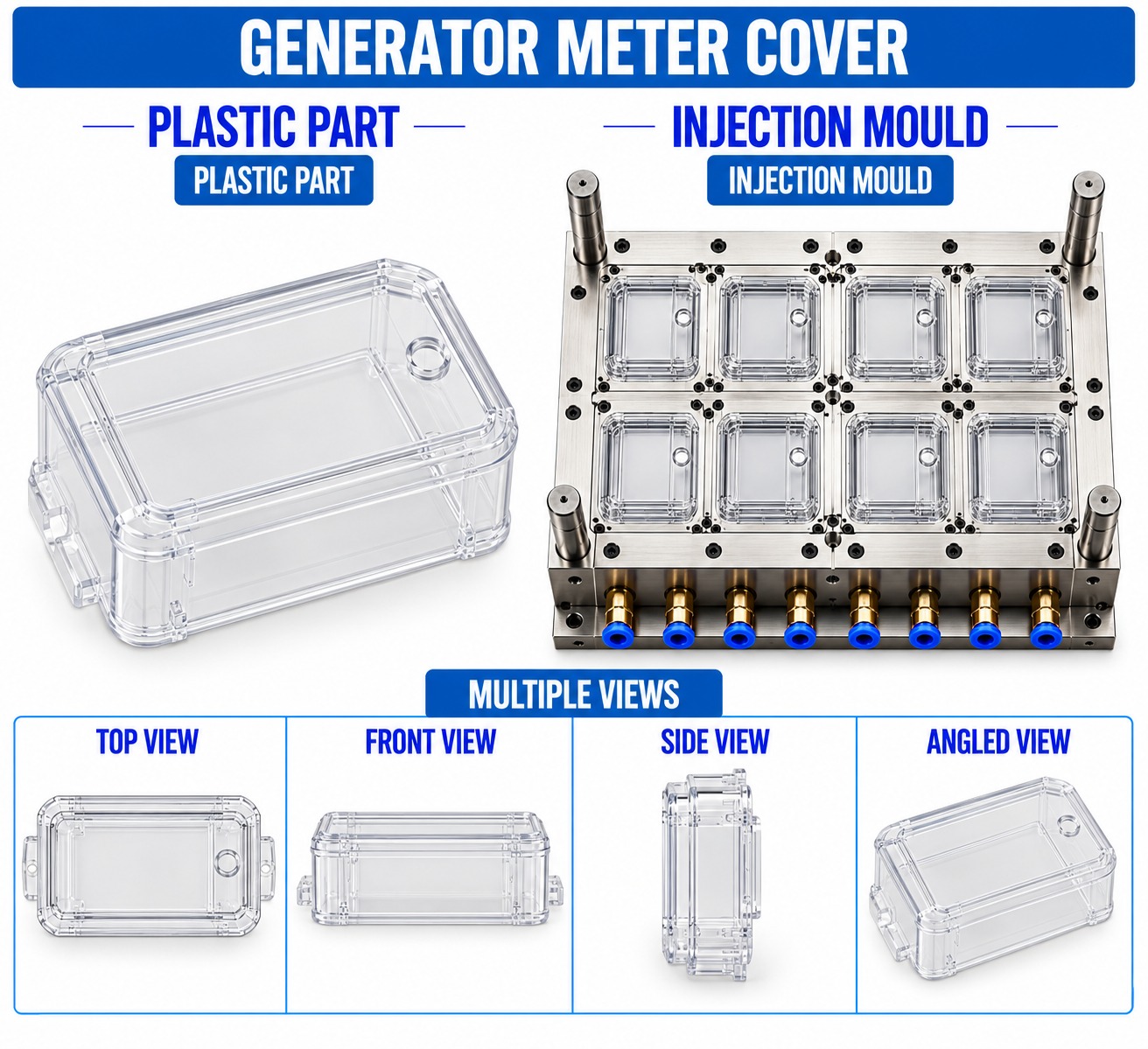
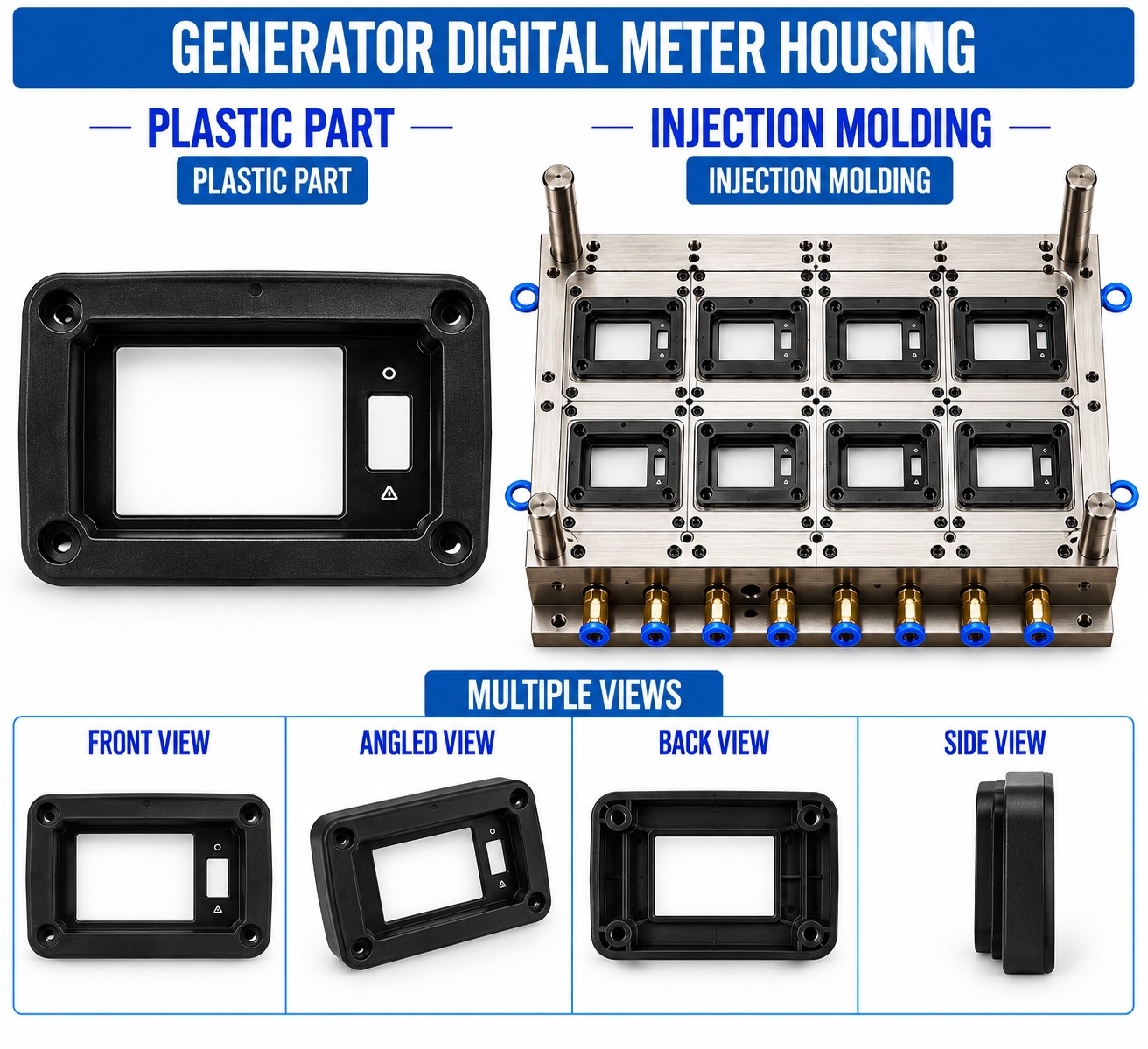
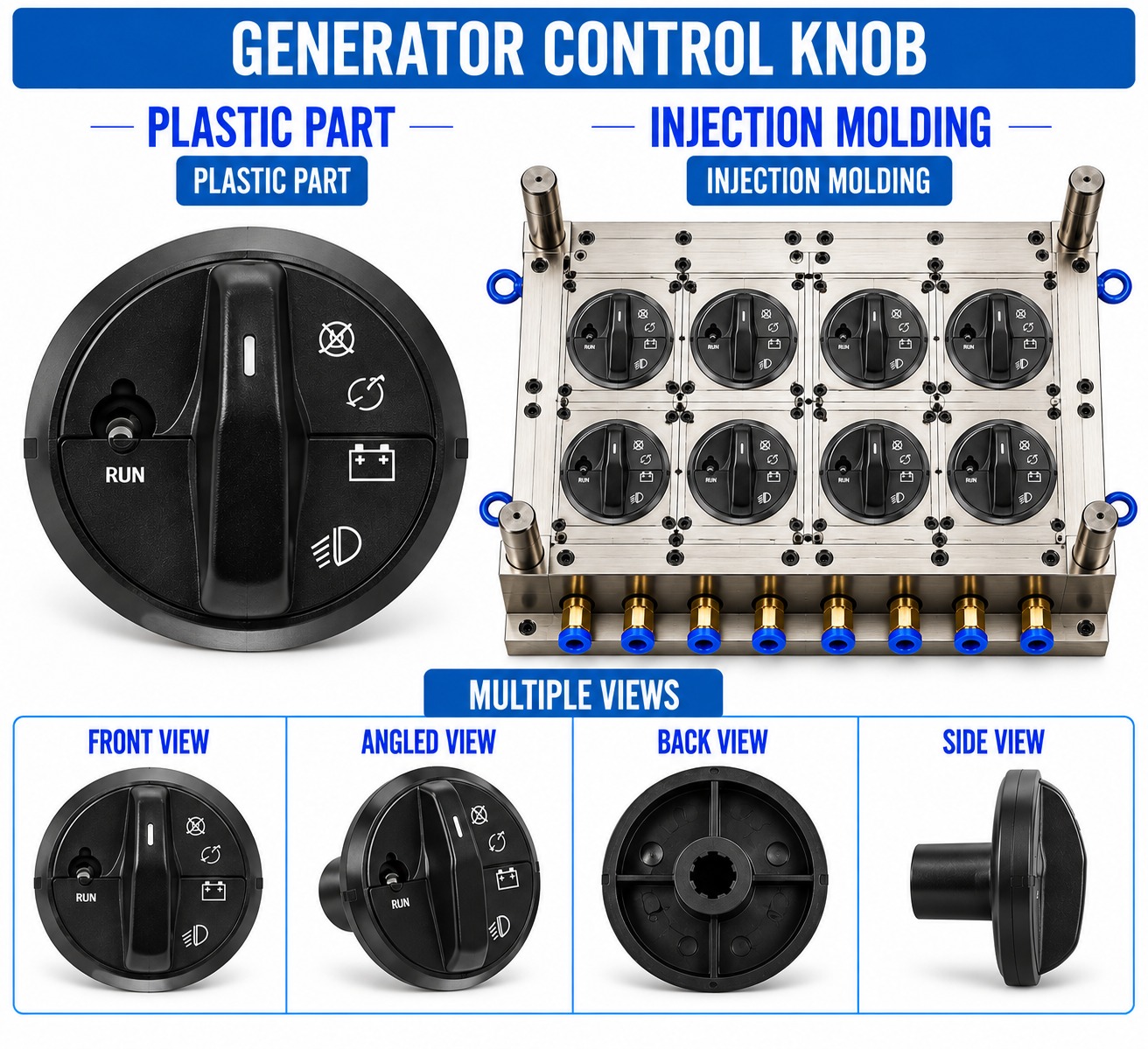
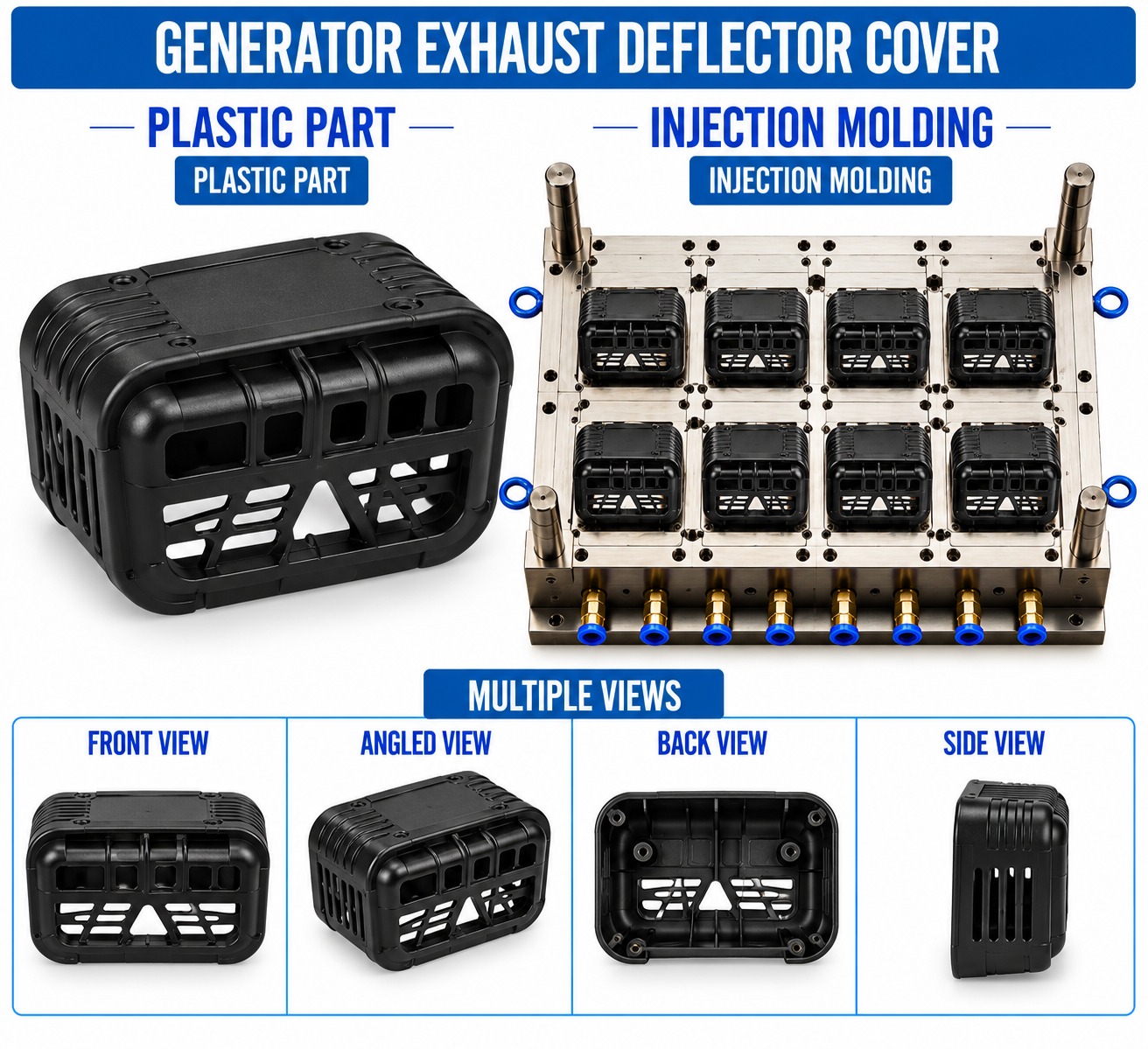
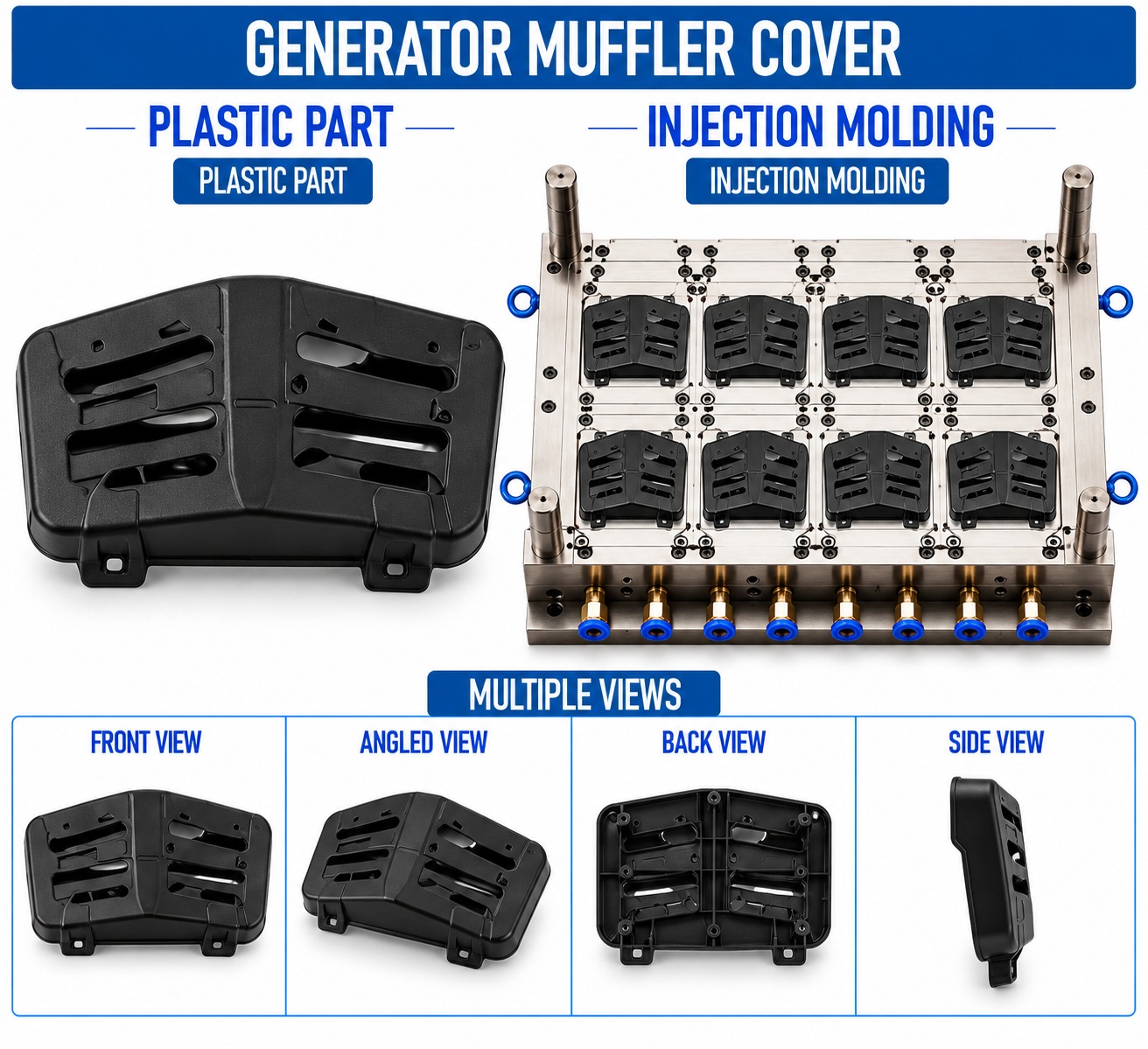
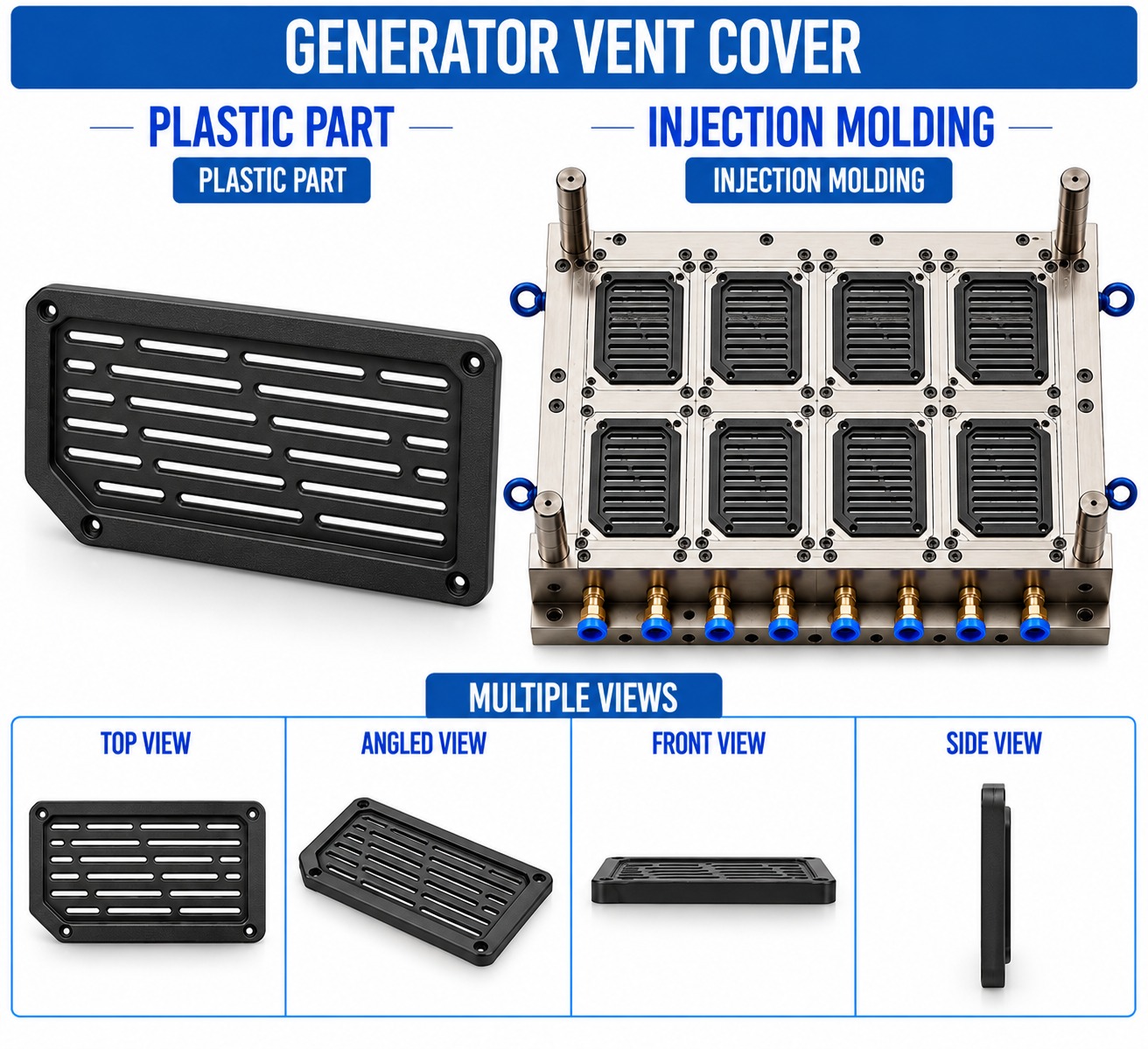
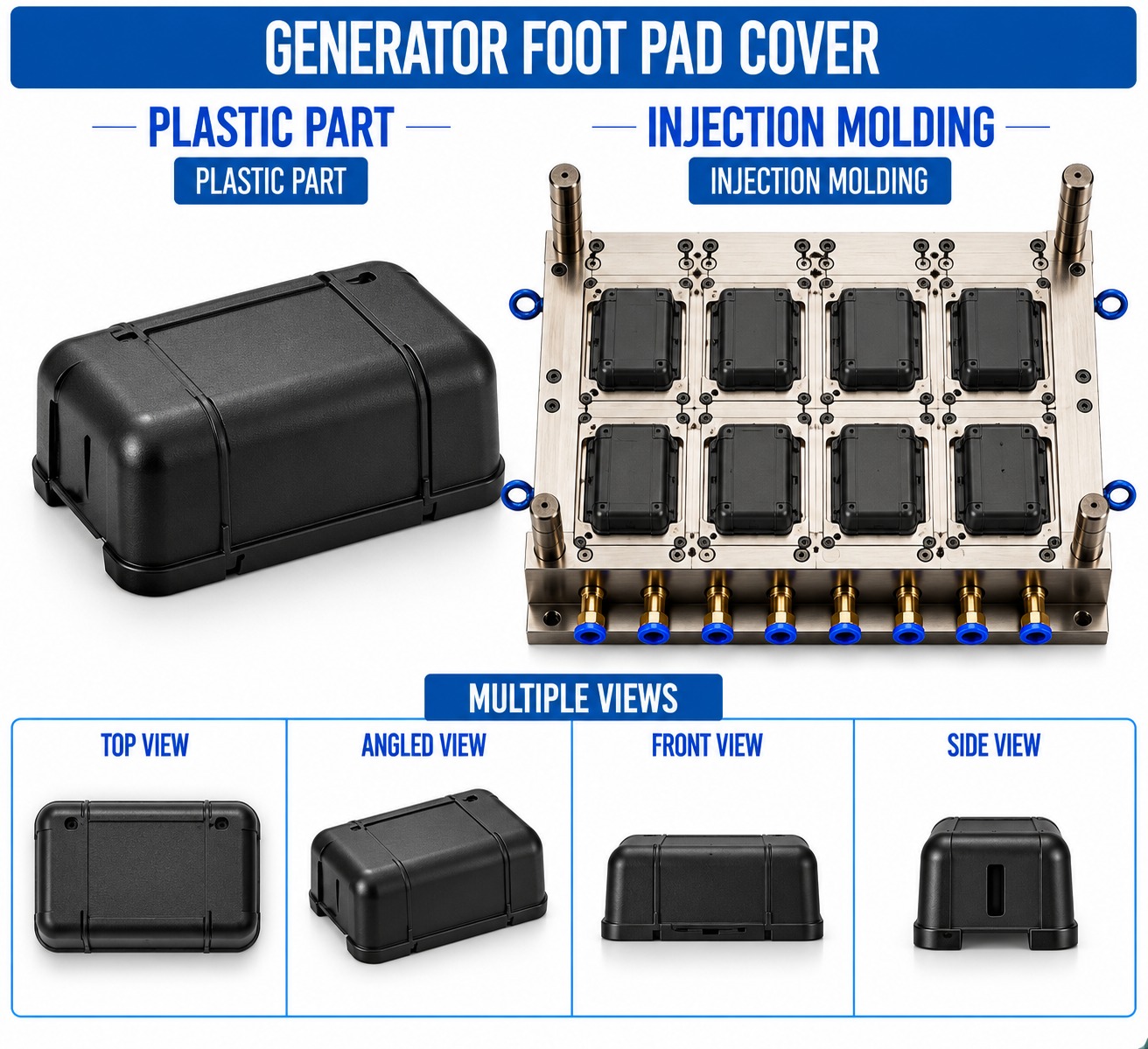
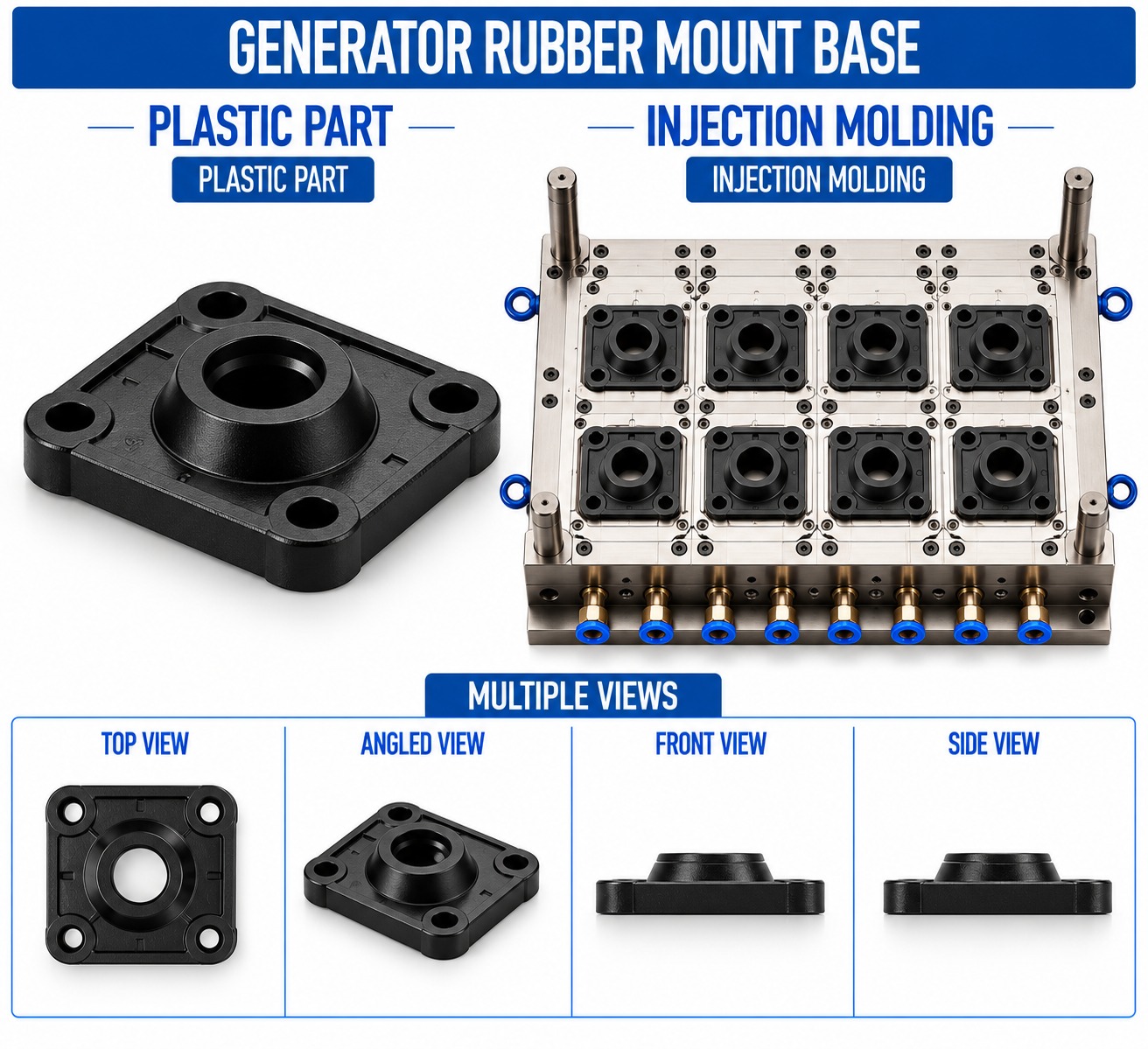
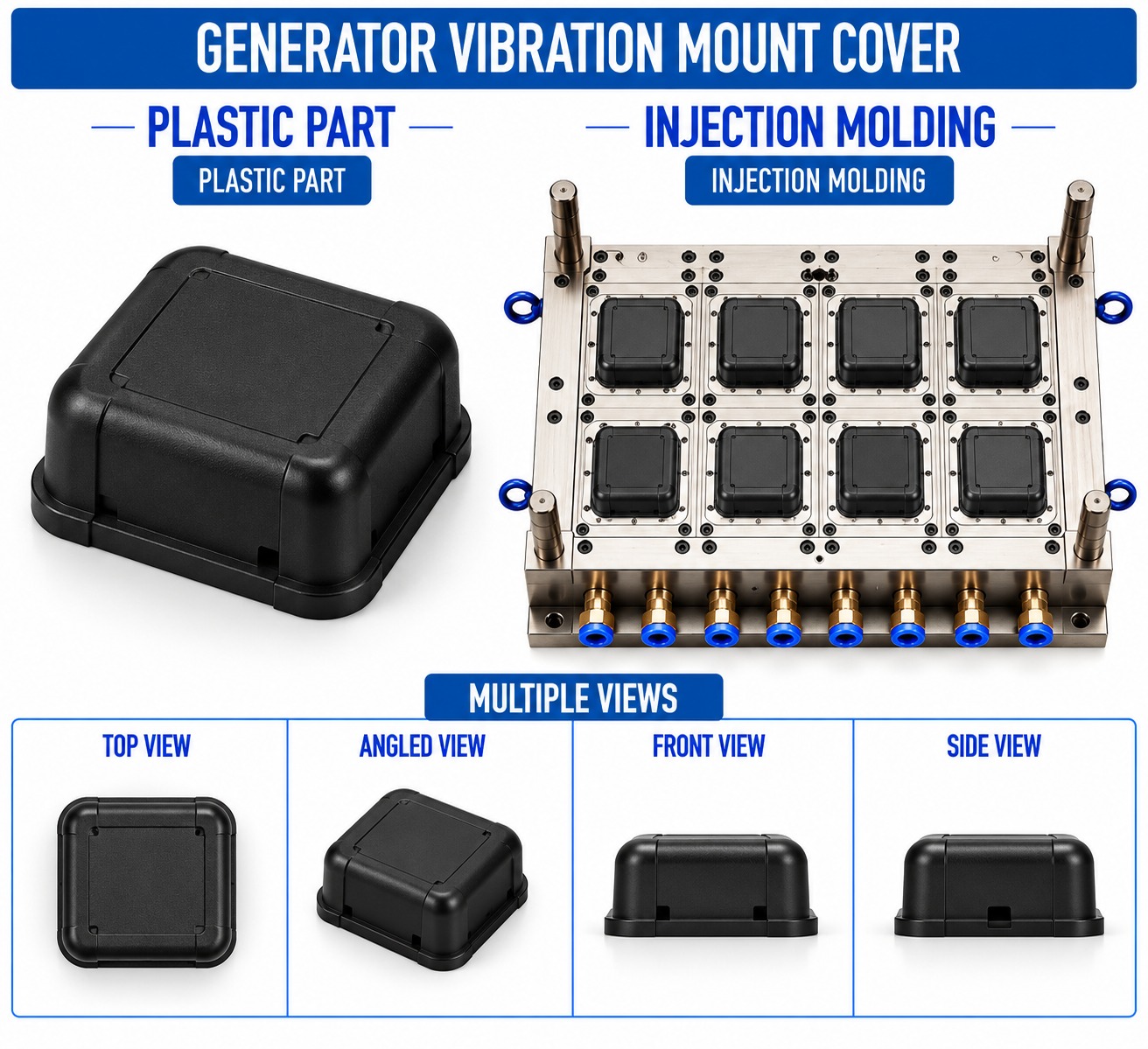
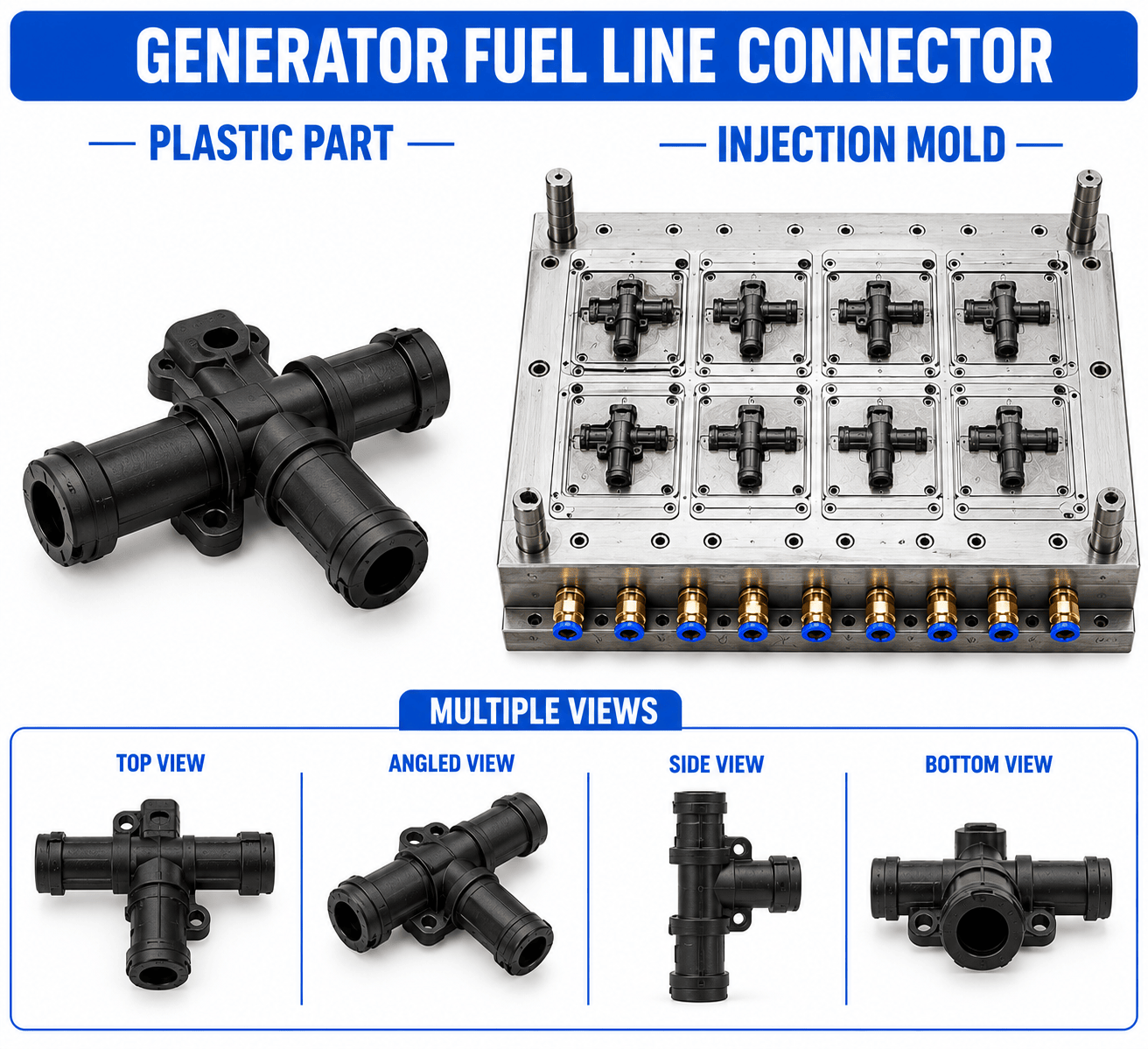
Renovator Appliances Ltd. provides Generator Plastic Parts Mould and Moulding Services for manufacturing precision-moulded plastic components used in electrical generators, portable generators, silent generators, diesel generators, petrol generators, and generator equipment. These plastic parts can include air filter housings, control panels, switch covers, cable entry components, fan covers, terminal covers, battery covers, wiring boxes, handles, brackets, protective covers, and other application-specific components.
Generator plastic parts can be developed according to the generator's engine and electrical system layout, component dimensions, mounting arrangement, airflow requirements, cable routing, ventilation requirements, heat exposure, and assembly method. Precision plastic injection moulding supports consistent dimensions, accurate component interfaces, controlled wall thickness, structural strength, smooth surfaces, and repeatable production quality.
Key Features
Precision-engineered plastic parts for generators
Suitable for portable, domestic, commercial, and industrial generators
Customized components according to generator design
Suitable for engine, electrical, airflow, control, and protective applications
Accurate interfaces for filters, fans, switches, wiring, batteries, terminals, and electrical components
Provision for mounting bosses, ribs, clips, tabs, and locating features
Ventilation slots, louvers, and airflow openings where required
Cable routing and electrical component clearance provisions
Reinforced mounting and fastening areas
Controlled wall thickness for dimensional consistency
Heat- and impact-resistant material options for suitable applications
Smooth and uniform external surface finish
Customized colour, texture, and surface appearance
Suitable for OEM, ODM, and customized generator designs
Consistent production through precision injection moulding
Industrial Applications
| Application Area | Use of Plastic Parts |
|---|---|
| Portable Generators | Housings, covers, handles, panels, and protective components |
| Diesel Generators | Electrical covers, wiring components, brackets, and protective parts |
| Petrol Generators | Engine-area covers, control panels, and air-management components |
| Silent Generators | Acoustic enclosure-related plastic components and control parts |
| Industrial Generators | Electrical and structural plastic components |
| Standby Power Generators | Control, wiring, and protective plastic parts |
| Generator Control Systems | Control panels, switch covers, and indicator components |
| OEM Generator Manufacturing | Customized plastic component production |
Manufacturing Process
1. Product Design & Development
Generator plastic components are developed according to the generator's overall dimensions, engine and electrical component layout, airflow path, heat-generating areas, wiring arrangement, mounting locations, control system, and assembly requirements. Wall thickness, ribs, bosses, mounting points, ventilation, cable passages, draft angles, and clearances from hot or moving components are evaluated during product development.
2. Plastic Mould Design
Dedicated injection moulds are designed according to the geometry of each generator plastic part. The cavity, core, parting line, gate position, runner system, cooling channels, venting, ejection arrangement, draft angles, ribs, bosses, clips, ventilation openings, and mounting features are planned to support reliable moulding and consistent dimensional accuracy.
3. Mould Manufacturing
The mould components are precision-machined, assembled, finished, and inspected. P20 Steel, H13 Steel, S136 Steel, or another suitable mould material can be selected according to production quantity, expected mould life, dimensional requirements, component geometry, and surface-finish requirements.
4. Injection Moulding
The selected thermoplastic material is heated and injected into the mould cavity under controlled processing conditions. Injection pressure, melt temperature, holding pressure, cooling time, and cycle time are adjusted according to the selected material and individual component geometry.
5. Finishing & Assembly Preparation
After moulding, gates and excess material are removed where applicable. Generator plastic parts are inspected for flash, short shots, sink marks, warpage, scratches, weld lines, cracks, deformation, and other visible defects. Mounting bosses, ventilation openings, cable passages, fastening areas, and component interfaces are prepared as required.
6. Quality Inspection
Finished generator plastic parts are inspected for overall dimensions, wall thickness, mounting features, ventilation openings, cable interfaces, surface quality, deformation, heat-affected areas, and fitment with the intended generator assembly.
Raw Materials
| Material | Typical Application |
|---|---|
| ABS | Control panels, covers, housings, and components requiring good surface appearance |
| PP | Lightweight covers, ducts, brackets, and components requiring suitable impact characteristics |
| HDPE | Protective and utility components requiring chemical and impact resistance |
| HIPS | Economical covers and enclosure components |
| PC+ABS | Generator housings and electrical components requiring a balance of strength, impact performance, and appearance |
| PC | Components requiring higher impact resistance and specific thermal performance |
| PBT | Electrical and structural components requiring dimensional and thermal stability |
| Nylon/PA | Brackets, supports, clips, and components requiring higher mechanical strength |
| Glass-Filled Nylon | Structural and load-bearing components requiring increased stiffness |
| Flame-Retardant Plastic | Electrical and protective components requiring specified fire-performance characteristics, subject to specification |
The final resin should be selected according to the specific component's operating temperature, proximity to the engine or exhaust system, vibration, mechanical loads, impact requirements, electrical environment, chemical exposure, dimensional stability, and surface appearance. Components located near heat-generating areas should be evaluated for actual operating temperatures and suitable thermal performance.
Quality Control
Raw Material Inspection: Verification of the specified plastic grade, colour, and incoming material condition.
Mould Inspection: Checking cavity condition, core geometry, parting line, cooling system, venting, and ejection mechanism.
Dimensional Inspection: Measurement of overall component dimensions, wall thickness, mounting bosses, ribs, openings, clips, and critical interfaces.
Visual Inspection: Checking for flash, short shots, sink marks, burn marks, weld lines, scratches, cracks, colour variation, warpage, and other cosmetic defects.
Heat-Affected Area Inspection: Where applicable, checking dimensional stability and material suitability for components installed near heat-generating generator assemblies.
Ventilation Feature Inspection: Verification of ventilation slots, louvers, openings, and airflow passages according to the specified design.
Component Fitment Inspection: Verification of proper fit with filters, fans, switches, wiring, batteries, terminals, control systems, engine components, and related generator assemblies.
Assembly Inspection: Checking alignment, fastening, retention, cable routing, and compatibility between mating components.
Packaging Inspection: Protection of finished plastic components against scratches, deformation, dust, and handling damage during storage and transportation.
Buyer Guide
When sourcing Generator Plastic Parts Mould and Moulding Services, buyers should provide:
Complete plastic part list and component names
Overall component dimensions
2D engineering drawings or 3D CAD models
Generator assembly drawings, where available
Engine and electrical component layout
Airflow and ventilation requirements
Heat exposure and operating temperature
Cable and wiring routing requirements
Mounting bosses, ribs, clips, tabs, and fastening requirements
Fan, filter, battery, switch, terminal, and control-panel interfaces
Required sealing or protective features
Vibration and mechanical-load requirements
Preferred plastic grade
Required colour, texture, and surface finish
Expected production quantity and mould-life requirement
Prototype or sampling requirements before mass production
Providing accurate component, thermal, electrical, airflow, and assembly specifications helps in developing suitable moulds with dimensional accuracy, structural support, heat-environment compatibility, assembly fitment, and consistent production performance.
Why Choose Renovator Appliances Ltd.?
Advanced Injection Moulding Facility
Renovator Appliances Ltd. provides precision injection moulding solutions for customized generator components, including housings, covers, control panels, air filter components, cable-management parts, brackets, and protective plastic parts.
In-House Mould Manufacturing
In-house mould manufacturing capabilities provide better control over cavity geometry, ventilation features, mounting points, dimensional accuracy, surface finish, and production requirements.
OEM & ODM Manufacturing
Customized generator plastic parts can be developed according to customer CAD files, engineering drawings, physical samples, generator assemblies, or technical specifications.
Quality Assurance
Quality-control procedures focus on dimensional consistency, component fitment, mounting features, ventilation, surface finish, thermal application requirements, and assembly compatibility.
Cost-Effective Manufacturing
Optimized moulding solutions support repeat production, consistent quality, reduced component variation, and economical manufacturing for suitable production volumes.
Frequently Asked Questions
1. What types of plastic parts can be manufactured for generators?
A wide range of components can be manufactured, including air filter housings, control panels, fan covers, cable entry components, terminal covers, battery covers, wiring boxes, handles, brackets, switch covers, protective covers, and other customized generator plastic parts.
2. Which materials can be used for generator plastic parts?
ABS, PP, HDPE, HIPS, PC+ABS, PC, PBT, Nylon/PA, Glass-Filled Nylon, and suitable flame-retardant plastics can be considered depending on the component's required strength, temperature resistance, vibration, impact performance, electrical environment, chemical exposure, and appearance.
3. Which steel is suitable for generator plastic part moulds?
P20 Steel, H13 Steel, or S136 Steel can be selected depending on production volume, required mould life, component geometry, dimensional requirements, and surface-finish requirements.
4. Can generator plastic parts be customized according to the generator design?
Yes. Component dimensions, mounting features, ventilation openings, cable passages, clips, bosses, ribs, control-panel openings, fastening points, colour, texture, and surface finish can be customized according to the generator design.
5. Can Renovator Appliances Ltd. manufacture both the moulds and moulded generator plastic parts?
Yes. Renovator Appliances Ltd. can support mould development, mould manufacturing, and injection moulding for customized generator plastic parts according to customer drawings, CAD models, physical samples, generator specifications, and production requirements.
47
products found
47 products found